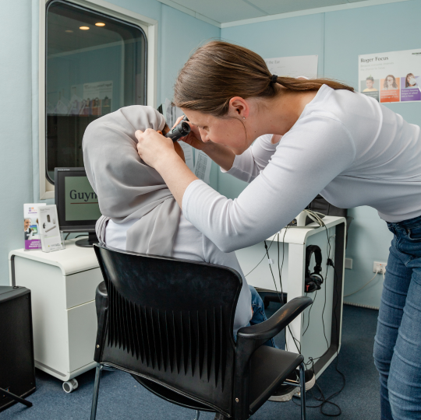
Auditory processing can affect how a person understands and responds to sound, even when their hearing is normal. For families, educators, and adults searching for auditory processing Adelaide support, knowing the signs early can make a real difference.
At SASHC, the focus is on helping people understand listening difficulties in a clear and practical way. Auditory processing disorder, or APD, is not about intelligence or attention alone. It is about how the brain interprets sound, and when that process is disrupted, communication can become tiring and frustrating.
Auditory processing is the brain’s ability to organize and make sense of what we hear. A person may hear speech clearly but still struggle to understand words, especially in noisy places or when directions are spoken quickly.
This can happen to children at school, teens in social situations, and adults in workplaces or meetings. Many people with auditory processing challenges are told they are not listening carefully, when in reality they are working harder than others to process information.
Auditory processing difficulties often show up in everyday situations. The signs can vary from person to person, but common patterns include:
These challenges may become more noticeable in classrooms, busy homes, open offices, or social events. Because the signs can be subtle, they are sometimes missed or misunderstood.
When auditory processing problems go unrecognized, they can affect learning, confidence, and relationships. A child may struggle to keep up in class, while an adult may find meetings, phone calls, or group conversations draining.
Searching for auditory processing Adelaide services usually means looking for answers and support that fit real life. The right assessment can help explain why listening feels difficult and what can be done next.
An auditory processing assessment is designed to understand how sound is being handled by the brain. It may involve questions about daily listening difficulties, hearing-related checks, and specific tests that look at auditory skills.